. . . .The Lowells of Massachusetts: An American Family (2017) by Nina Sankovich.
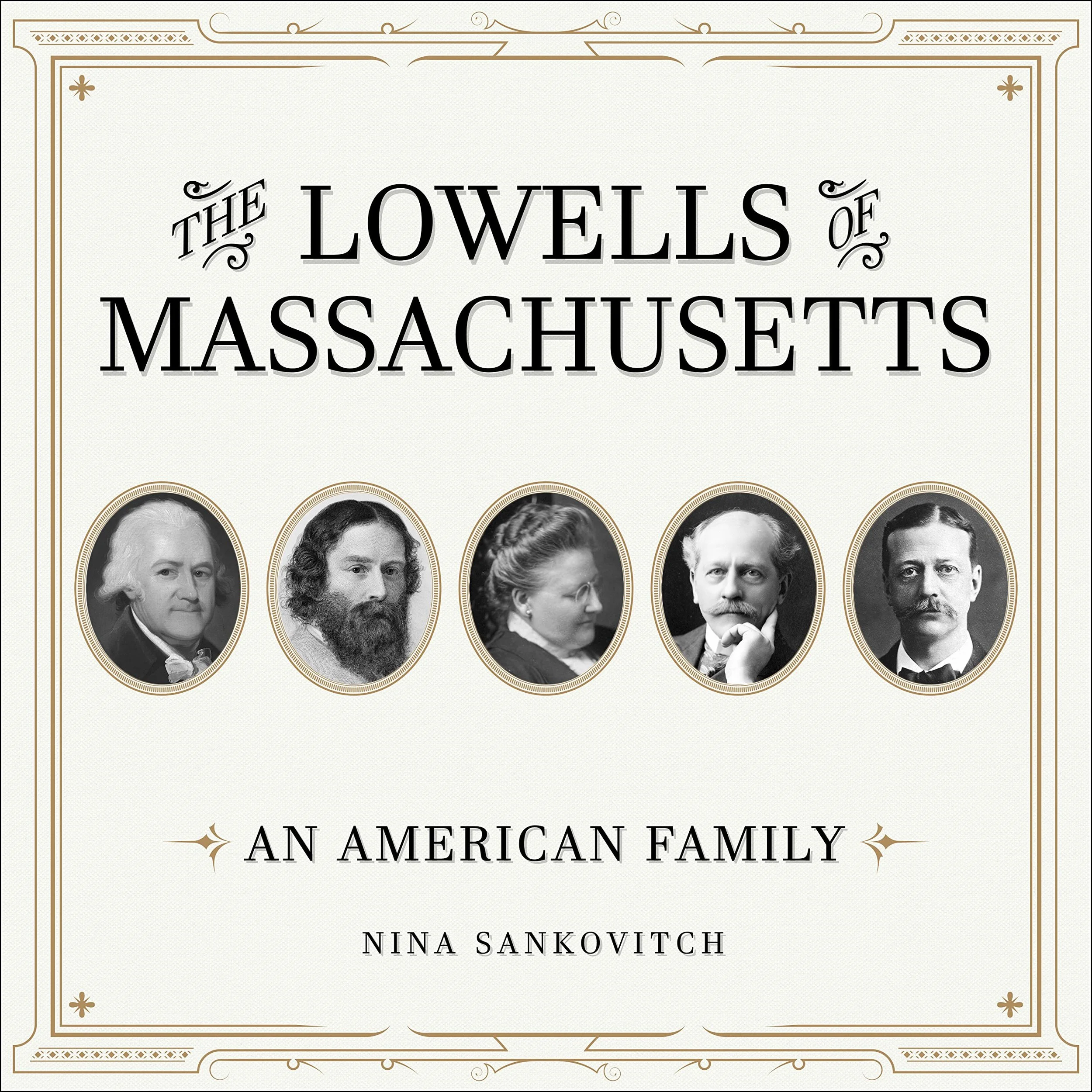
Another engrossing book about famous New England families. I will continue to enjoy this one until the 50’s I suppose and that Robert Lowell, who may have been bi-polar but was also a cruel and nasty person. From the very first Lowell in America in the 17th C, Percy Lowell, they were versifiers, even if Percy tended to do it as hymns. It's a bit disconcerting how poetry, the desire to practice it, and then practicing it, like James Russell Lowell, ran through the various branches and generations, since so many of those individuals also suffered from afflictions that darkened the mind. James Russell Lowell's mother fell deeply into a depression when her daughter died.
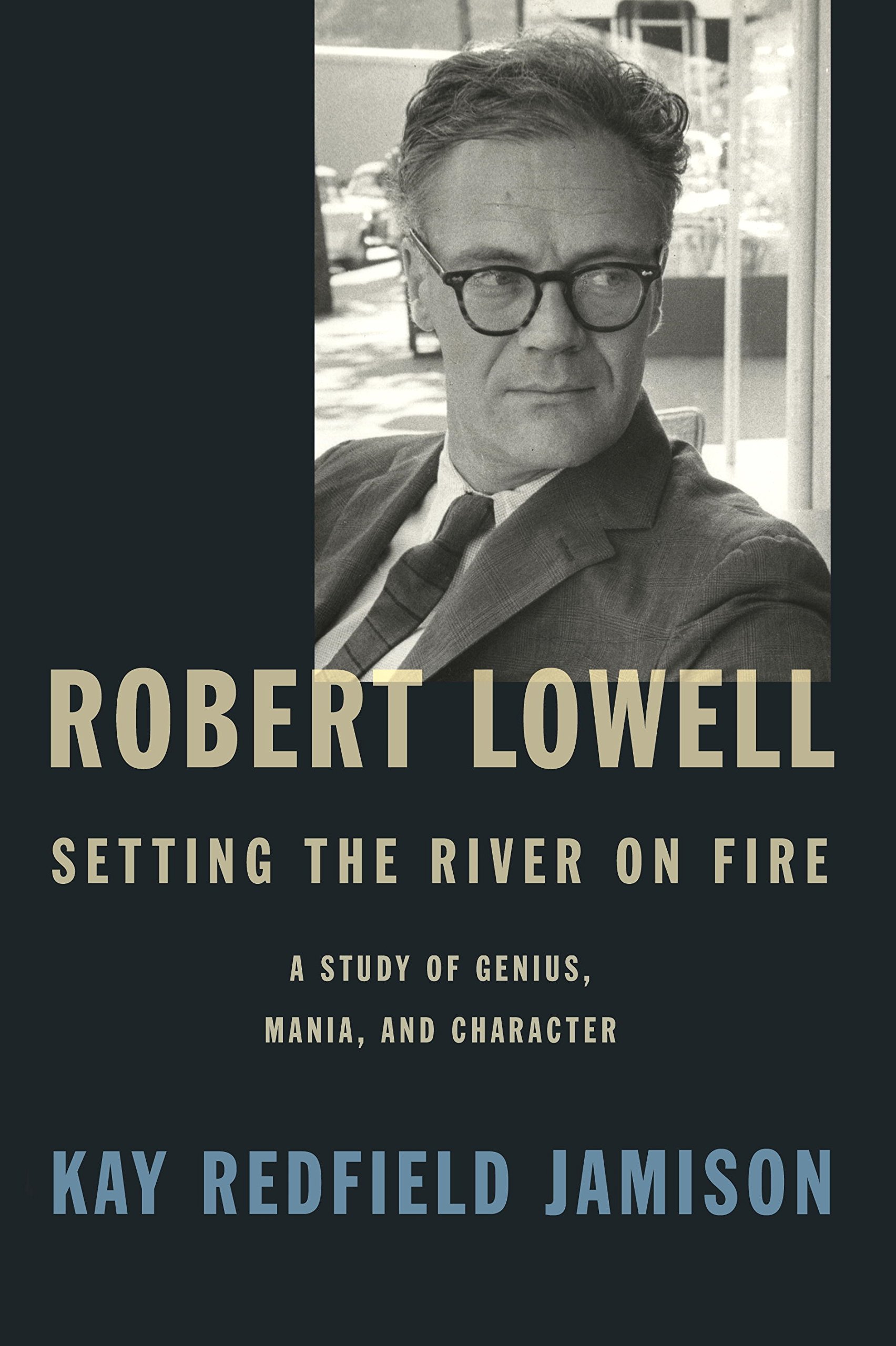
John Quincy Adams's life-long desire and dream was to possess the power of a great poet of genius. Yet he recognized that his every effort not only fell far short of genius, but fell far short of the quality he was thought he was creating while in the exhilaration of composition. He had the brilliance though to recognize this, even though he never gave up. This always warms me about JQ, among the many elements of his character that are so far from the received wisdom that JQ was a dull and dreary, dry fellow.
If it was true that the Lowells spoke only to Cabots, it's a wonder they intermarried with them, because in Boston, it was said further, that the Cabots spoke only to God. They also intermarried with the Lodges. There are so many Lowells and Lowell Cabots and Cabot Lowell Lodges, they usually have the same first names too, so I’m having a hard time with who is who. Longfellow makes a cameo appearance only in this time of public admiration and sales of poets' works. Fanny, Longfellow’s wife, whose father got vastly wealthy working with the Lowells in their mill and factory ventures, isn’t mentioned at all.
This quick overview of 4 centuries of Lowells does make clear the division that rose among Lowells by the 1840’s and 50s, and why it came about. The wealthy Lowells (such as Fanny's father) wanted no interference with slavery and the south. They tried always to shut down talk and literature of abolition. Their mills thrived the south's cheap slave produced cotton for the tariff protected textiles they produced. After the initial success of the Lowell mills, during which the farmers' daughters labor force were well-paid, well-treated, well-housed and well-fed, they became like their southern cotton suppliers and cut wages, created dangerous working conditions, increased the hours, overcrowded the dirty and vermin-infested houses, and relied on punishment to speed up work.
The poor Lowells, however, were anti-slavery activists. Before the Lowells who got crazy rich from the Lowell factories, the Lowells all had tended to anti-slavery from the first days they arrived in the colony. Judge Lowell who, using the template of the Someset Decision by Judge Mansfield in England prior to Independence, declared it wasn't possible to keep someone enslaved who is brought into Britain. John Adams called these cases "The Freedom Cases" this lawyer Lowell argued for -- and conducted successfully within Massachusetts, arguing that since in England a slave brought to free Britain could no longer be enslaved, and as Massachusetts was part of Britain, a slave brought to Massachusetts couldn't be a slave either. This couldn't have worked in Virginia courts Virginia juries.
But the best part of this story of Judge Lowell is that it divided him from his family and community because he began as a Loyalist in the agitation that led up to the colonies declaring for independence, during the Stamp Act etc.. Because of the Somerset Decision he was sure that Britain was fair-minded and would decide in favor of the colonists' distress swiftly and effectively. He was shunned by family and community -- and lucky not to be tarred and feathered, stoned, or beat up, or his home burned, which happened to many who were labeled Loyalists. That didn't happen, and he returned to the family as a full-blooded Patriot, who helped write Massachusetts' constitution, that overtly prohibited slavery within her borders.
Among the multitude of fascinating anecdotes the author has culled from the cache of Lowell letter quite lately discovered is this on. It was customary for upper, ruling caste, wealthy, Bostonians to send their girls and young ladies to the Ursuline convent in Charlestown for education. One of them, who would marry into the Lowells, experienced the terrifying end to this convent. The good men of Boston mobbed the convent because the Irish Catholics and the nuns had WHITE Puritan girls chained in the basement and whipped them and did Other Worse Things.* They burned it to the ground. The nuns and their students fled out the back for their lives, hiding in fields of the farms, and gardens of the houses around the convent -- utterly terrified. Thus we see Pizzagate is baked into the USA DNA.
In These Times the most compelling section of The Lowells is the War of 1812, the "southern war", the "slaveholders' war", they called it - which indeed it was. Lowells were passionate for quite some time about persuading New England to move to secede from the Union and join with England, becoming a new country of new New England. I confess while reading this, I rather wished they'd been successful. For once I could appreciate the pleasure of alternate history, and this is the only spot in our history where it looked almost plausible, where everything else that came before would have had to change first. Even So, we'd still have had a war about slavery, for the South would never have remained within its borders, and neither would have "New England".
~~~~~~
* Whereas, these same men didn't give a fig about the girls and young women who, not classified as white, who really were confined and chained in basements or sheds or barns or prisons, and whipped, and experienced Other Worse Things.