LINES OF THE DAY

". . . But the past does not exist independently from the present. Indeed, the past is only past because there is a present, just as I can point to something over there only because I am here. But nothing is inherently over there or here. In that sense, the past has no content. The past -- or more accurately, pastness -- is a position. Thus, in no way can we identify the past as past." p. 15

". . . But we may want to keep in mind that deeds and words are not as distinguishable as often we presume. History does not belong only to its narrators, professional or amateur. While some of us debate what history is or was, others take it into their own hands." p. 153

Silencing the Past: Power and the Production of History (1995) by Michel-Rolph Trouillot

Showing posts with label US literature. Show all posts

Saturday, January 11, 2020

Today's Thoughts Include Edith Wharton

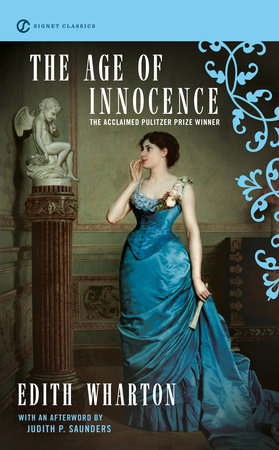
    . . . . Since my first reading of Age of Innocence, accomplished long after its initial publication in 1920, but chronologically set in the author's past of 1870's Gilded age New York, Edith Wharton has  high on my personal canon of fiction that never goes stale, whatever age we are in or whatever age we are when first reading it and re-reading it thereafter.


Devouring Age of Innocence, in which the destruction is merely bitter-sweet, I turned to The House of Mirth, set in the Gilded Age, which was still in effect in 1905, when it was first published. 


O the bitterness, the waste of a life -- a talented, struggling, isolated woman's life -- the sheer awe-fullness of it, eclipsed anything I'd read up that time, other than in George Eliot.  There was nothing warm about the people of this book other than the protagonist's fire to not be what she was condemned to be.


So, these quoted words of Wharton concerning centering a frivolous, useless society in one's writing resonate magnificently in the past, the present, and if there shall be one, no doubt in the future too.

Wharton had already written books including a novel set in 18th-century Italy and a volume on interior design when she began drafting a novel set in the rarefied world of moneyed New York. The challenge, she recalls in A Backward Glance, was to find the gravitas in such a world. “The answer was that a frivolous society can acquire dramatic significance only through what its frivolity destroys. Its tragic implication lies in its power of debasing people and ideals. The answer, in short, was my heroine, Lily Bart.”
Presently we daily witness and experience ourselves, we who aren't members in our neo-Gilded Age class of heartlessly frivolous powerful and obscenely wealthy, the destruction they wreak upon us and the planet.

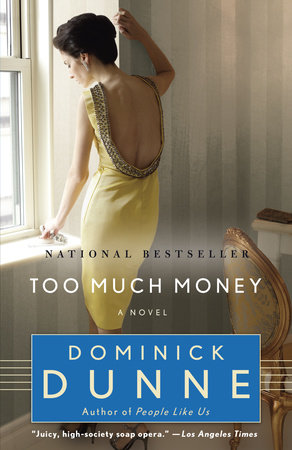
No wonder Dominick Dunne, one of our own literary chroniclers of the descendants of Wharton's people and those who came and come up to elbow them aside, named his novel, Too Much Money (2009), after them.

Tuesday, February 21, 2017

What Is Lost Is Found: A Novel By Walt Whitman

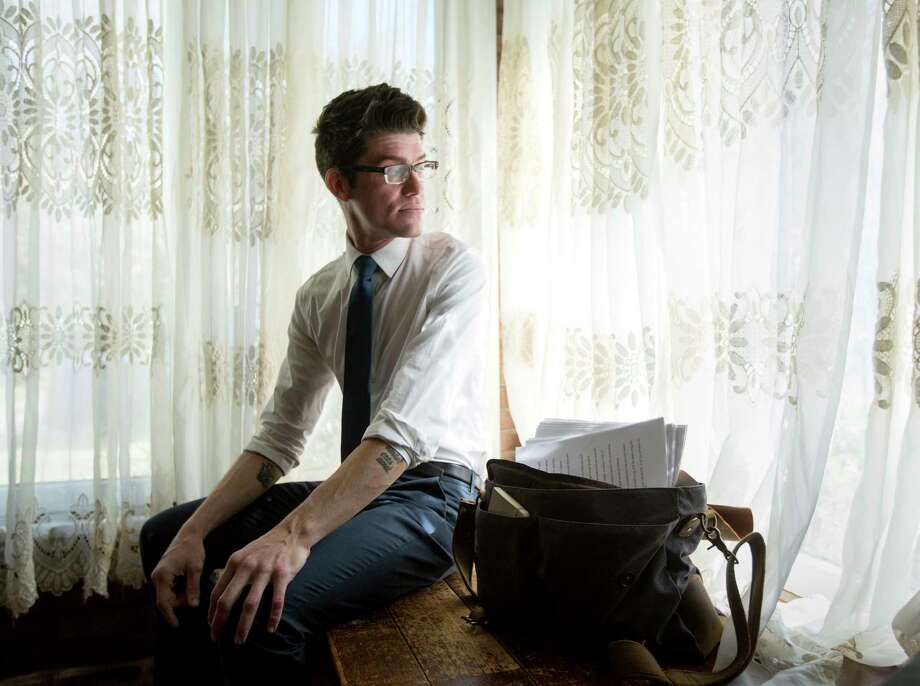
     . . . . Zachary Turpin. a graduate student at the University of Houston found this long lost novel through digital archives.

The New York Times (behind pay wall) opens its story on the discovery like this:
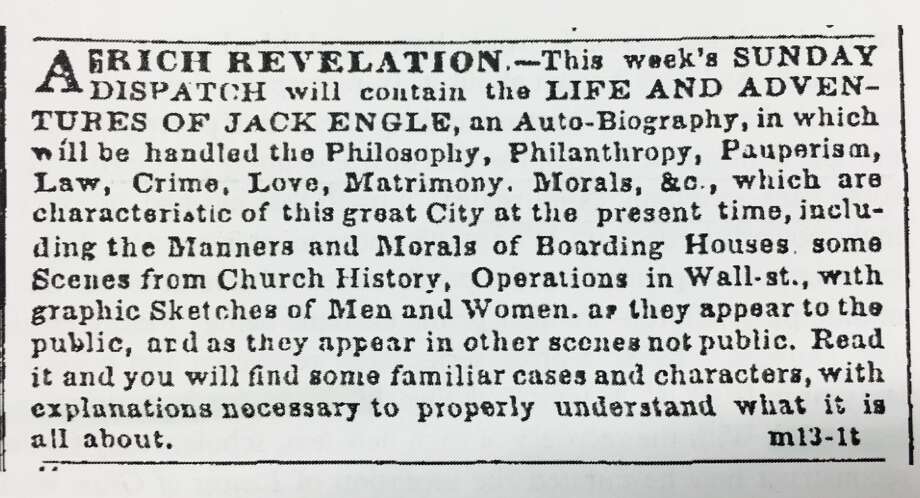
Readers who picked up The New York Times on March 13, 1852, might have seen a small advertisement on Page 3 for a serial tale set to begin the next day in a rival newspaper.
“A RICH REVELATION,” the ad began, teasing a rollicking story touching on “the Manners and Morals of Boarding Houses, some Scenes from Church History, Operations in Wall-st.,” and “graphic Sketches of Men and Women” (presented, fear not, with “explanations necessary to properly understand what it is all about”).
From the NY Times story:
The The 36,000-word “Life and Adventures of Jack Engle,” which was discovered last summer by a graduate student, is being republished online on Monday by The Walt Whitman Quarterly Review and in book form by the University of Iowa Press. A quasi-Dickensian tale of an orphan’s adventures, it features a villainous lawyer, virtuous Quakers, glad-handing politicians, a sultry Spanish dancer and more than a few unlikely plot twists and jarring narrative shifts.
“This is Whitman’s take on the city mystery novel, a popular genre of the day that pitted the ‘upper 10 thousand’ — what we would call the 1 percent — against the lower million,” said David S. Reynolds, a Whitman expert at the Graduate Center of the City University of New York.


Everything about this news is pleasing!

First of all though, as much as we studied Leaves of Grass when I was still at university it was never revealed somehow, whether in class or in critical studies, that this great American poet had ever written fiction at all.  I have learned for the first time that not only did he write fiction, he wrote quite a bit of it.  However, as he turned himself in the poet who would spend his life creating ever more types of Leaves of Grass, he tended to bury or obscure that he had done so. Second, whereas I tended to mine the poet's life and his poetry for historical information on culture and mores of the Civil War era generally and New York City's past, scholars will be mining Jack Engle for years for clues to how he turned himself from prose writer to poet -- and an experimental one at that.

Zachary Turpin

Second,  Turpin discovered this lost work through expert searching of several vast online digital archives that include the Walt Whitman Archive and the Library of Congress.  Any of us can do this now!  It's so exciting for research and scholarship!

I particularly like the Guardian's story about the discovery includes this:
 " . . . "rollicking” anti-lawyer revenge fantasy . . . "

The Life and Adventures of Jack Engle has just been published free online by the Walt Whitman Quarterly Review.