". . . But the past does not exist independently from the present. Indeed, the past is only past because there is a present, just as I can point to somethingover there only because I amhere. But nothing is inherently over there or here. In that sense, the past has no content. The past -- or more accurately, pastness -- is a position. Thus, in no way can we identify the pastas past." p. 15
". . . But we may want to keep in mind that deeds and words are not as distinguishable as often we presume. History does not belong only to its narrators, professional or amateur. While some of us debate what history is or was, others take it into their own hands." p. 153 Silencing the Past: Power and the Production of History (1995) by Michel-Rolph Trouillot
Showing posts with label War of Independence. Show all posts
Showing posts with label War of Independence. Show all posts
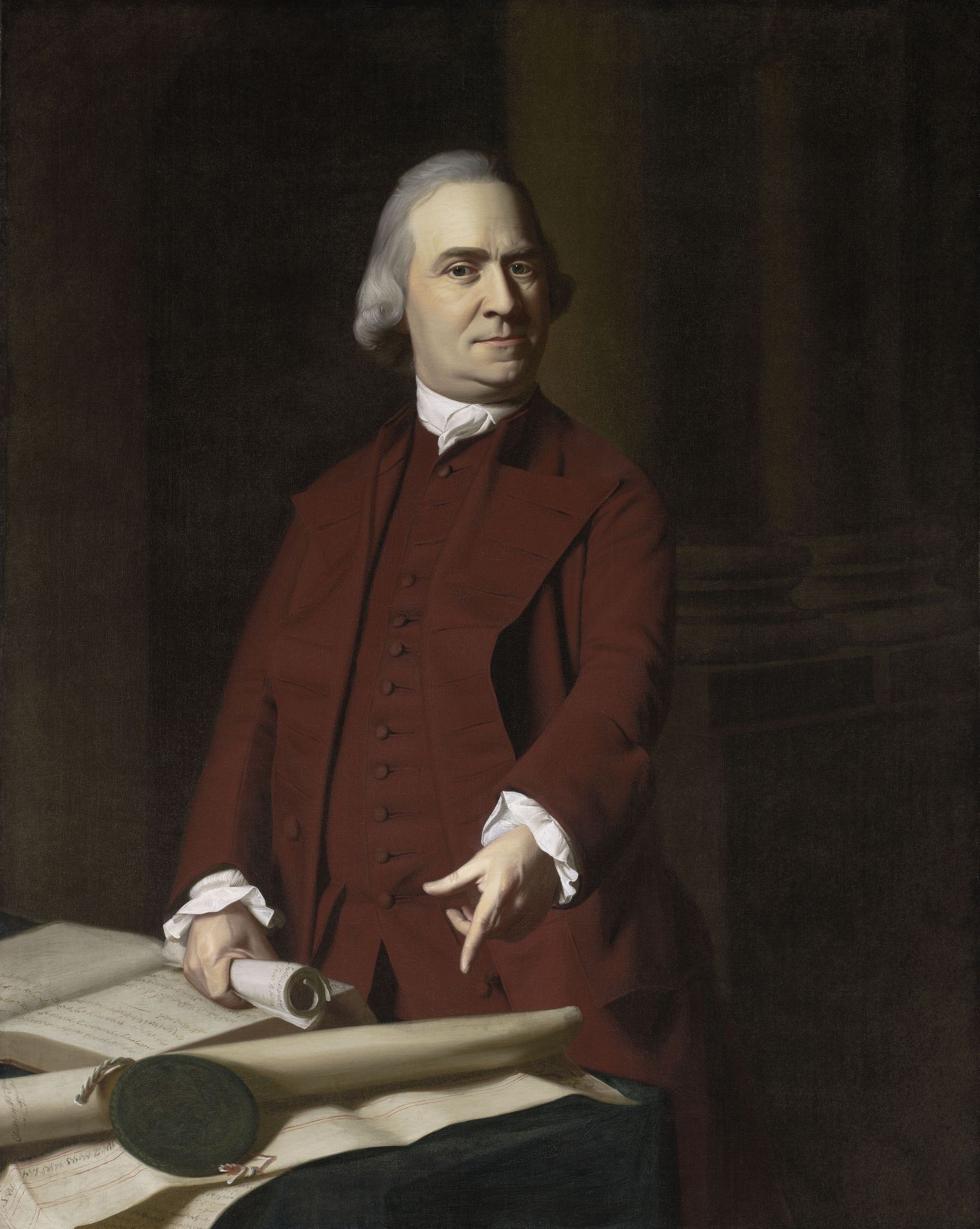
. . . . The Revolutionary: Samuel Adams (2022), by Stacy Schiff, and the Tolkien Estate's latest cash cow, The Fall of Númenor (2022), ed. by Brian Sibley, arrived in time for our quarantine/isolation. They did very well getting me through the variety of existential dreads that chased themselves periodically in herds through my mind and body, during what turned out to be a very mild brush with Covid -- and perhaps the shortest! Today I picked up from the library purrfect seasonal fiction* that goes with Fall of Númenor: the 4th Anthony Horowitz meta effort in the Golden Age of Mystery line, in which the protagonist/narrator is Anthony Horowitz, The Twist of the Knife (2022), and the classic, The Dark Is Rising (1973)by Susan Cooper.
I finished TheRevolutionary last night.
So successfully did Samuel Adams obscure his activities organizing a revolution, even from historians’ best effort, that at times it seems as though he’s like the Scarlet Pimpernel, though on the opposition side of the Aristos: “They seek him here, they seek him there. Those Frenchies seek him everywhere. Is he in heaven or is he in hell? That demned elusive Pimpernel”.
Historians didn't care for Schiff's The Witches: Salem 1692 (2015), so I didn't read that, and my Egyptologist friend and historian of ancient history, and the reviewers too, really disapproved of her Cleopatra: A Life (2010), but it sold very well anyway (as does Witches, though her readers seem not that interested in her 1999 biography Vera Nabokov, Vladimir's wife). Schiff doesn't even read modern Greek, so that's a problem right there, evidently. I tried to read it myself, and stopped in both sceptism and distrust.
The Revolutionary feels more solid and trustworthy to, takeaways are that Jefferson in particular of the Founders studied Sam Adams's trajectory, tactics and behind-the-scenes secrecy very carefully. In a letter to Adams, late in Adams's life, he rather says so. I certainly recognized all of Jefferson's own maneuverings in those of Adams. The Secessionists didn't study carefully though, and they failed. The current crops of violent seditionists since at least Atwood and Gingrich, have studied with understanding of what he did and how he did it. His Correspondence Circles and the way to re-purpose words, providing them with different meanings and significance, certainly since Reagan. Control of the media, which then meant newspapers, is the key. Secret deals with the already-violence prone such as out-of-work sailors and dockworkers, essential, along with creating one's own militias. Now it's social media and television, and Oathkeepers, Proud Boys, Neo Nazis, Incels, the outright insane, etc.
Among the many mysteries as to how Adams worked and with whom, is his relative poverty. At some point it was clear somebody/somebodies were supporting him, enabling to continue his 'seditious' work. But who? The obvious guess is Hancock, but I wonder, considering it was B Franklin who sent him the secret Hutchinson documents from England, if Franklin was also a behind-the-scenes secret collaborator? Their minds would mesh well. One of the methods evidently used by Adams and others in Boston was to appear in public as enemies, or antagonists, while really working together.
Let's face it: a lot of what Adams did is no different from what the current insurrectionists and seditionists are doing now.
Schiff also says that New England, Massachusetts and Boston in particular, went bonkers around 1765-8, getting progressively so, with periods when things seemed to cool down, but Adams kept working behind the scenes, and then was prepared the moment the Crown and Hutchinson gave him an opening. Schiff says the same thing, going bonkers in this part of the world, is what drove the Salem witch trials. Henry Adams says the Secessionists went insane too.
On the other hand, there is this, in my opinion: John Adams wasn't a firebreather from the beginning, and neither was Abigail. The Crown did some truly stupid moves, understood nothing about the colonies or the geography -- and that governance on all levels of the colonies was very bad. Hutchinson held multiple offices, got salaries for them all, and what he didn't hold himself, he gave to his family members and his friends; He and his cronies did everything to block anyone's path that might challenge their complete control and dominance. It was a real cabal of power and wealth, which would indeed piss off everybody else. But Hutchinson and his fellows, as well as those back in Britain, were incapable of envisioning this as anything but their right by wealth and birth, and even less capable of envisioning others seeing it otherwise as well. So that allowed the right person, with all the pertinent skills, from ability to write, speak, quickly, coherently, persuasively, while being utterly personable in person, with a mind that was able to see all the openings for humiliation, protest and incitement to operate, and one, moreover, who had the imagination, unshared, when he began, with any of his colonial contemporaries, to envision a separation from Britain, and moreover wanted it, and was able to play a very long game. That was Adams. He was unique, nearly, it seems -- utterly Bostonian too, a Harvard educated Puritan to the core, though much milder in that than his ancestors, with a great leavening of what was by now in Europe the Enlightenment, though not quite entirely able to let go the days of the 17th Century.
This biography of Samuel Adams, along with Marcus Rediker's Outlaws of the Atlantic : Sailors, Pirates, and Motley Crews in the Age of Sail (2014), provides all the information of how to organize a Revolution and / or Insurrection. First lesson--it will never succeed without deployment of mobs. Second less -- it will never succeed without massive media control and presence, all the time, everywhere.
~~~~~~~~~~~~~~~~~~~~
* For seasonal watching, I highly recommend Three Pines on Amazon Prime, the adaptation from Louise Penny's Gamache novels, the first season which began on Amazon Prime last Friday, which begins right before Christmas. The town of Three Pines looks so much as I imagined it. The sounds and sights of winter in Three Pines are perfect, shot and recorded in winter, on location. Each murder to be solved is two episodes each, and these two episode go up together on Fridays. The arc mystery thread connecting them each week looks to be one involved with a disappeared young Native woman, whose family are certain she didn't up leave but has been kidnapped or killed. Though the police won't help them, Gamache gets involved. It also involves, one thinks -- but there's only been two episodes -- the horrors of abuse in Canada's Residency Schools.
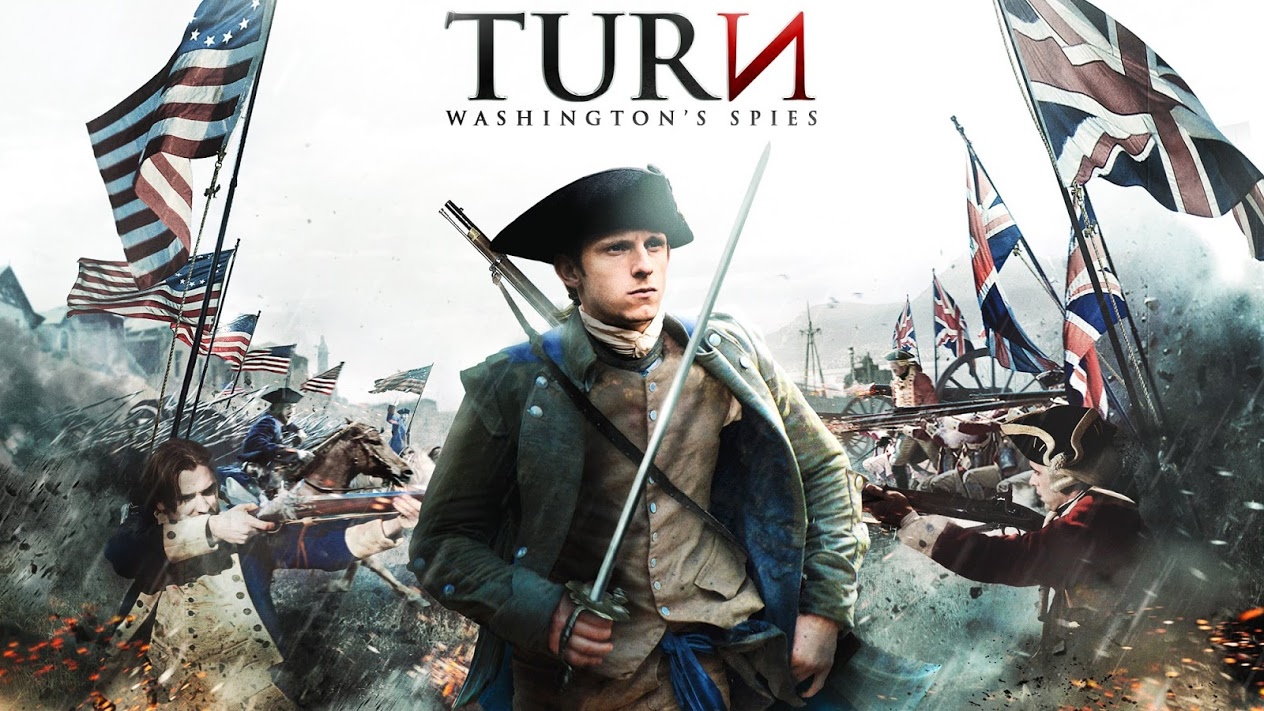
. . . .Turn AMC. Season 4 (2017). Netflix download.
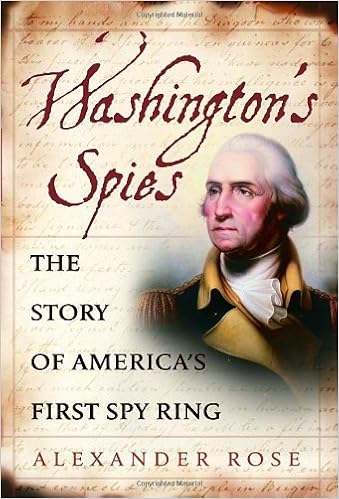
I’d recently re-read Alexander Rose's Washington’s Spies (2006). So, once again, I was struck how different the actual people in the Culper spy network were from the characters in the AMC historic fiction drama. Last night I began making a dinner that wasn't out of holiday left overs, of which there is a great deal, while making lists of packing for Cuba -- where, unlike here -- it's in the 80's (here we are down to 12°, 13° and 14°). With dinner safely in the oven, I wrapped the Finland wool cape around my Shetland sweater, poured a glass of gift wine, put up the feet and happily departed from the here and now. Due to time limitations I had put off watching these last episodes of Turn's final season for these last days in the turn between 2017 and 2018. They were perfect viewing for this liminal period as the season turns to winter (and lordessa, has it EVER turned into winter here!) and to the next year.
Even though in Turn it is hot, sweaty Virginia during that turncoat traitor Benedict Arnold's campaign (like Cuba will be next week!) --still this final season of Turn felt appropriate to this interregnum of frozen time. Arnold's is the campaign which got Thomas Jefferson pilloried for the rest of his life as a cowardly Virginia governor who ran from Brits (who burned Richmond).
My goodness! The writers even accurately deal with Benedict Arnold's Virginia campaign! And though historically Simcoe and Caleb Brewster were at Yorktown, but -- the rest of it -- the prolonged final showdowns among Caleb Brewster and Abraham Woodhull to take out Colonel Simcoe, was pure fiction. Yet, despite some plot convenient departures from fact, -- and speeding up in time -- most of this is remarkably true to the events as they occurred.
View of Westover Plantation's Big House from the frontage on the beautiful James River.
It was a pleasure to see Turn's interpretation of the Westover Plantation and Yorktown, where el V and I spent a lot of time back in 2012. However, the true finale of Turn – it is so not historical, though emotionally satisfying as everyone ends up with whom they should be with, after the long personal revolutions in personal relationships which, presumably? were caused by the upending and chaos of the times in general. But really, beyond Tallmadge, nobody ever knew or learned the names of the Culper Ring, not even Washington. So Washington writing Abraham a check to cover his not insignificant out-of-pocket expenses and losses is entirely goofy – particularly as Washington himself was broke and in debt at the end of the war.
Abigail, a slave in Anna Strong's Setauket, Long Island tavern, occupied by the Brits, spies for the Rebels. She then goes to Philadelphia where she becomes servant to John Andre, taking messages back and forth between this British spy and Peggy Shippen for the Brits. When Peggy marries Benedict Arnold Abigail and her son Cicero are in that household, spying for the Rebels. Nobody turned as often as Abigail, who in the end, understandably, chose as her only side, freedom and future for herself, her son and her husband in Canada. She couldn't have that in the loosely confederated states after the war.
But the only real problem, it felt to me, that Turn suffered was from their laudable desire to include African Americans among their significant characters. However, as African Americans did not support the War of Independence that didn't include abolition of slavery among its objectives, and did overwhelmingly support the British, who did provide escape from slavery, this through line through the arc of Turn's four seasons, and the characters of Peggy Shipton's maid, her son and the father of the son, was always muddled. The greatest irony, in terms of Turn, in which Colonel Simcoe is always the most bad of the bad, is among the accomplishments for which is he is most noted after the events of War of Independence, is as governor of Canada. He supported and sponsored abolition of slavery, and providing substantial legal and administrative support of those African Americans who escaped from the young Republic to Canada. I truly wish PBS or netflix -- preferably netflix -- would sponsor other dramatic series of US history.
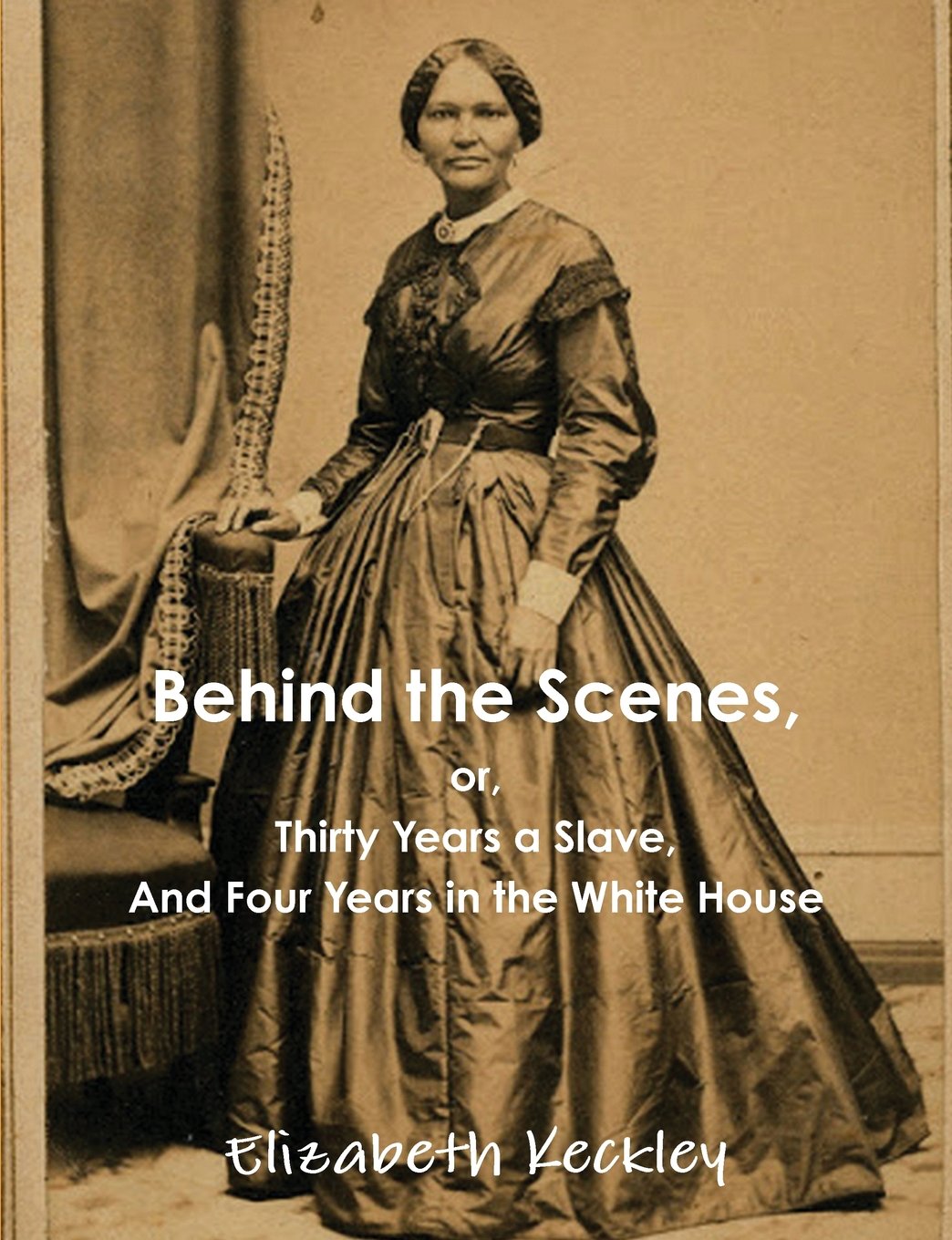
What a brilliant series would be one focused on Elizabeth Keckley, who earned the money to buy her freedom from slavery, and who, in Washington D.C., became the first couturier in the United States, who at a moment, dressed both Mary Todd Lincoln and Varina Davis, and who was in the White House constantly with Mrs. Lincoln during the war. Or what came to be called the Christiana Riot of 1851, a shoot-out between a Maryland slave owner, his sons and supporters, and the free African American Pennsylvania farmer, William Parker, his sons, wife and neighbors in defense of a group of slaves who were going for freedom.
Or -- holy cow! Harriet Jacobs's Incidents in the Life of a Slave Girl! Our national history is as filled with brilliant events as any other nation's. We should take advantage of this instead of, when we bother at all, re-doing all the same few, phony, fake false fantasies of ourselves. That Turn didn't do this made all the many satisfactions of the series.
Vulpine, canine, feline, porcine & equine avatars. Gone to heaven Gone to hell Gone to jail Gone to work Gone to school Gone to lunch Gone to bed Gone to bad Gone to pee Gone to earth. Gone Gone Gone. Fox's earth is Blue Gotham City. Shorter sojourns are spent in other, more dangerous, locations.